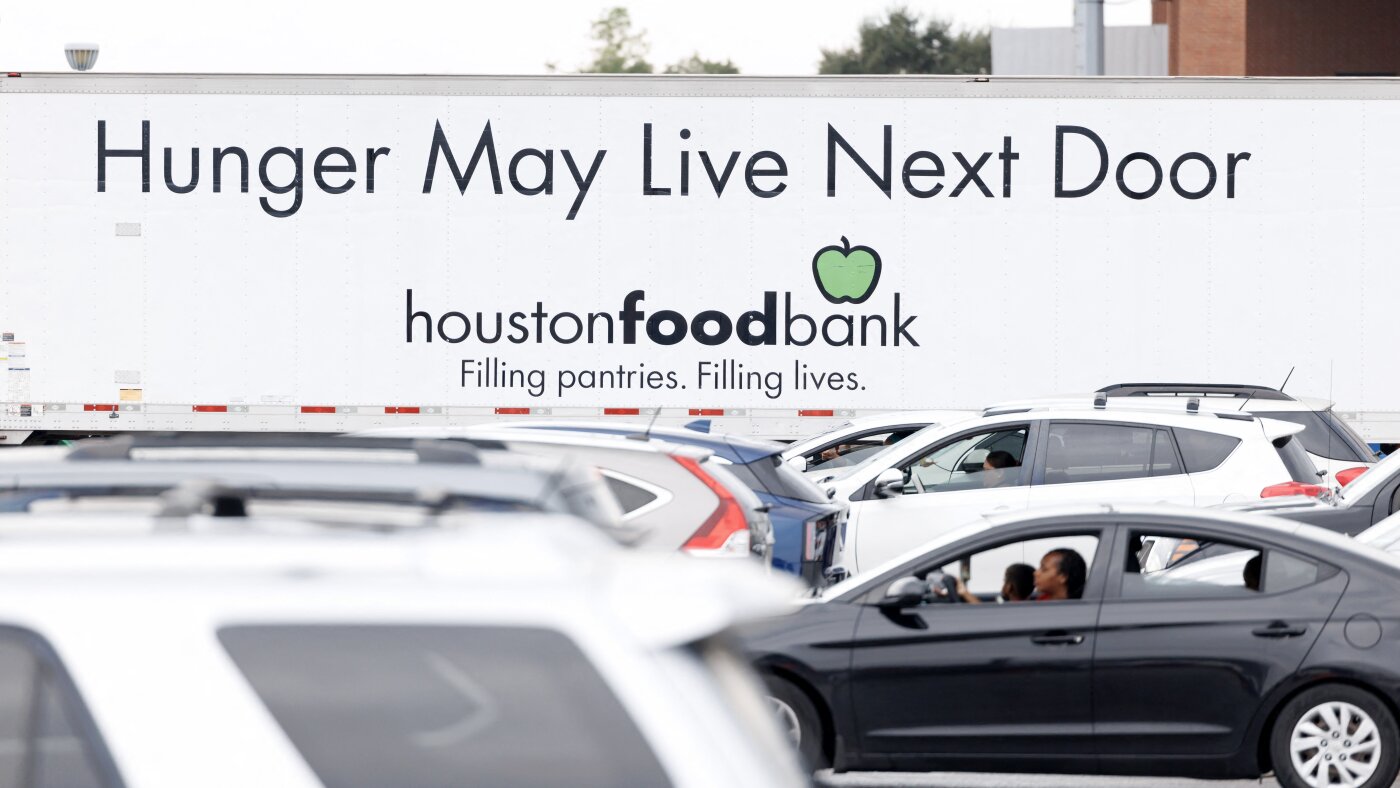
Food Insecurity Fed Survey - as market coverage focuses on AI chip demand, supply constraints, and capacity trends with daily market insights and expert commentary. A new survey from the Federal Reserve Bank of New York indicates that food insecurity currently affects more families than at the height of the COVID-19 pandemic. The findings underscore the persistent economic strain on households despite the broader economic recovery.
Live News
Food Insecurity Fed Survey - as market coverage focuses on AI chip demand, supply constraints, and capacity trends with daily market insights and expert commentary. {随机描述} According to a recently released survey by the Federal Reserve Bank of New York, the share of households experiencing food insecurity has risen above the peak levels observed during the coronavirus pandemic. The survey, part of the bank’s ongoing monitoring of consumer expectations, measures the ability of households to afford adequate food. The latest data suggest that rising costs for groceries and other essentials have outpaced income growth for many families, reversing the improvement seen in the immediate post-pandemic period. The New York Fed noted that the increase was broad-based across demographic groups, though lower-income households reported the greatest difficulty. The survey did not provide a specific percentage but highlighted a clear trend of deteriorating food access.
Food Insecurity Levels Surpass Pandemic Peaks, New York Fed Survey Reveals {随机描述}{随机描述}Food Insecurity Levels Surpass Pandemic Peaks, New York Fed Survey Reveals {随机描述}{随机描述}
Key Highlights
Food Insecurity Fed Survey - as market coverage focuses on AI chip demand, supply constraints, and capacity trends with daily market insights and expert commentary. {随机描述} The key takeaway is that the economic aftershocks of the pandemic—combined with elevated inflation—continue to weigh on household budgets. This trend could have implications for consumer discretionary spending, as families may allocate more of their income to food and basic necessities. Grocery retailers and discount stores might see sustained demand, while higher-end food retailers could face headwinds. Additionally, the data may inform discussions on government food assistance programs, such as SNAP, as policymakers consider adjustments to benefit levels. The findings also suggest that the labor market recovery, while strong, has not fully offset the impact of higher prices on living standards for some segments of the population.
Food Insecurity Levels Surpass Pandemic Peaks, New York Fed Survey Reveals {随机描述}{随机描述}Food Insecurity Levels Surpass Pandemic Peaks, New York Fed Survey Reveals {随机描述}{随机描述}
Expert Insights
Food Insecurity Fed Survey - as market coverage focuses on AI chip demand, supply constraints, and capacity trends with daily market insights and expert commentary. {随机描述} From an investment perspective, persistent food insecurity could signal broader consumer stress that might influence spending patterns across multiple sectors. Companies in the food industry, particularly those serving value-conscious customers, may see relatively stable revenues, while luxury goods and travel could experience softer demand if the trend deepens. However, it is important to note that the survey reflects a snapshot of current conditions and does not necessarily predict a downturn. Economic data in the coming months—especially employment and inflation reports—would likely provide further clarity on whether this food insecurity trend stabilizes or worsens. Investors may monitor consumer sentiment indices and retail sales data for additional signals. As always, individuals should consider their own financial situations and risk tolerance before making any portfolio decisions. Disclaimer: This analysis is for informational purposes only and does not constitute investment advice.
Food Insecurity Levels Surpass Pandemic Peaks, New York Fed Survey Reveals {随机描述}{随机描述}Food Insecurity Levels Surpass Pandemic Peaks, New York Fed Survey Reveals {随机描述}{随机描述}